The Coast · Somme · estuary
Baie de Somme, Out of Season
The estuary empties out in October. That is when it becomes worth the drive.
Filed at
2You will pass a car occasionally.
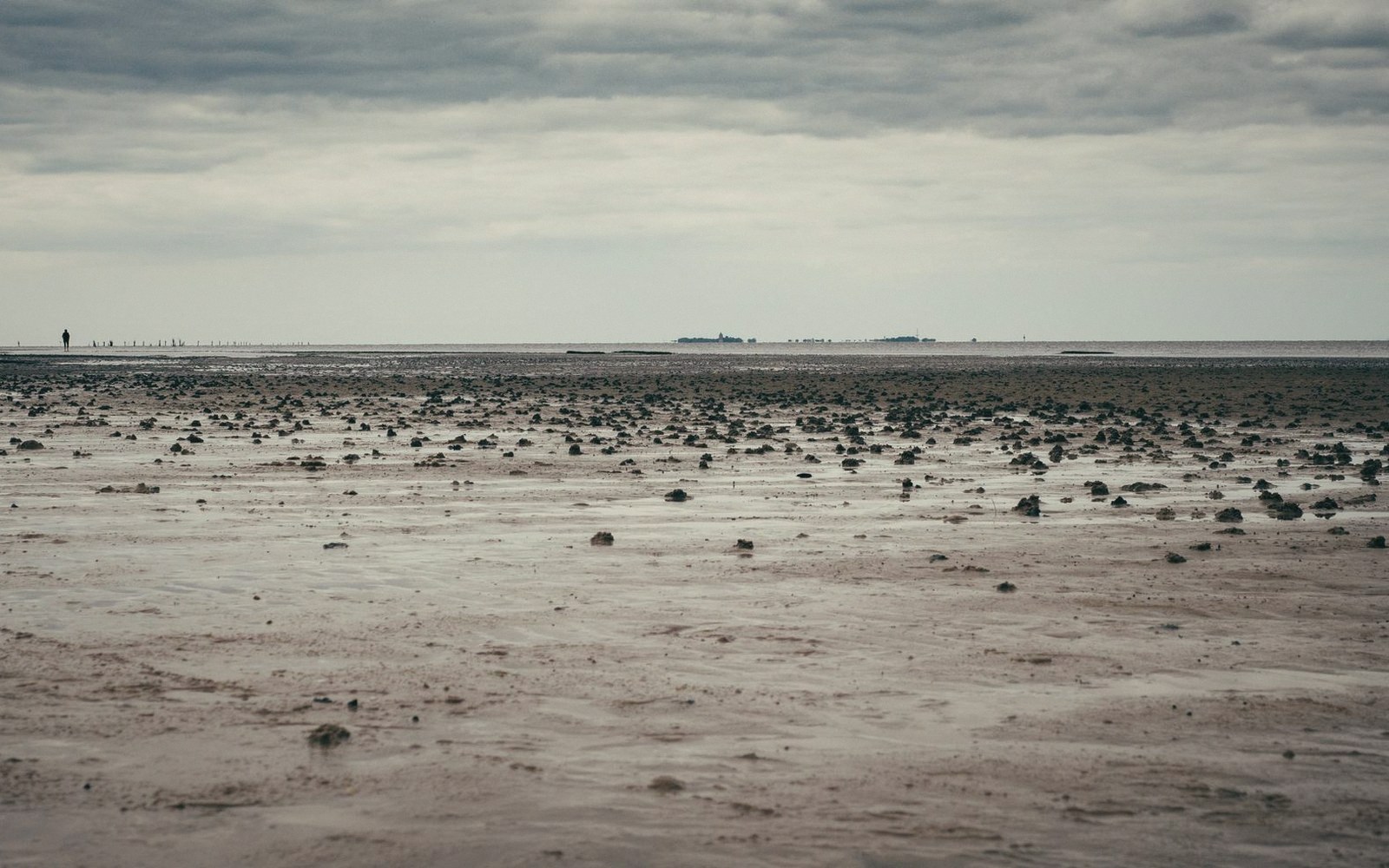
The estuary empties out in October. That is when it becomes worth the drive.
What the Bay Actually Is
The Baie de Somme is not a beach resort with a picturesque backdrop. It is an estuary — a living, tidal system where the river meets the Channel in a wide funnel of mudflat, salt marsh, and shifting sand. The distinction matters because what makes it interesting has nothing to do with sunshine or a promenade. The seals haul out on sandbanks regardless of the month. The grey light in November does not ruin the view; it is the view.
In summer, the small towns around the bay — Le Crotoy on the north shore, Saint-Valery-sur-Somme on the south — fill with the particular density of northern French coastal tourism: caravans, crêpe stands, queues for the narrow-gauge railway. None of this is wrong, exactly, but it does obscure what the place is. Come back in late October, November, or February, and the obstruction lifts. The bay presents itself plainly.
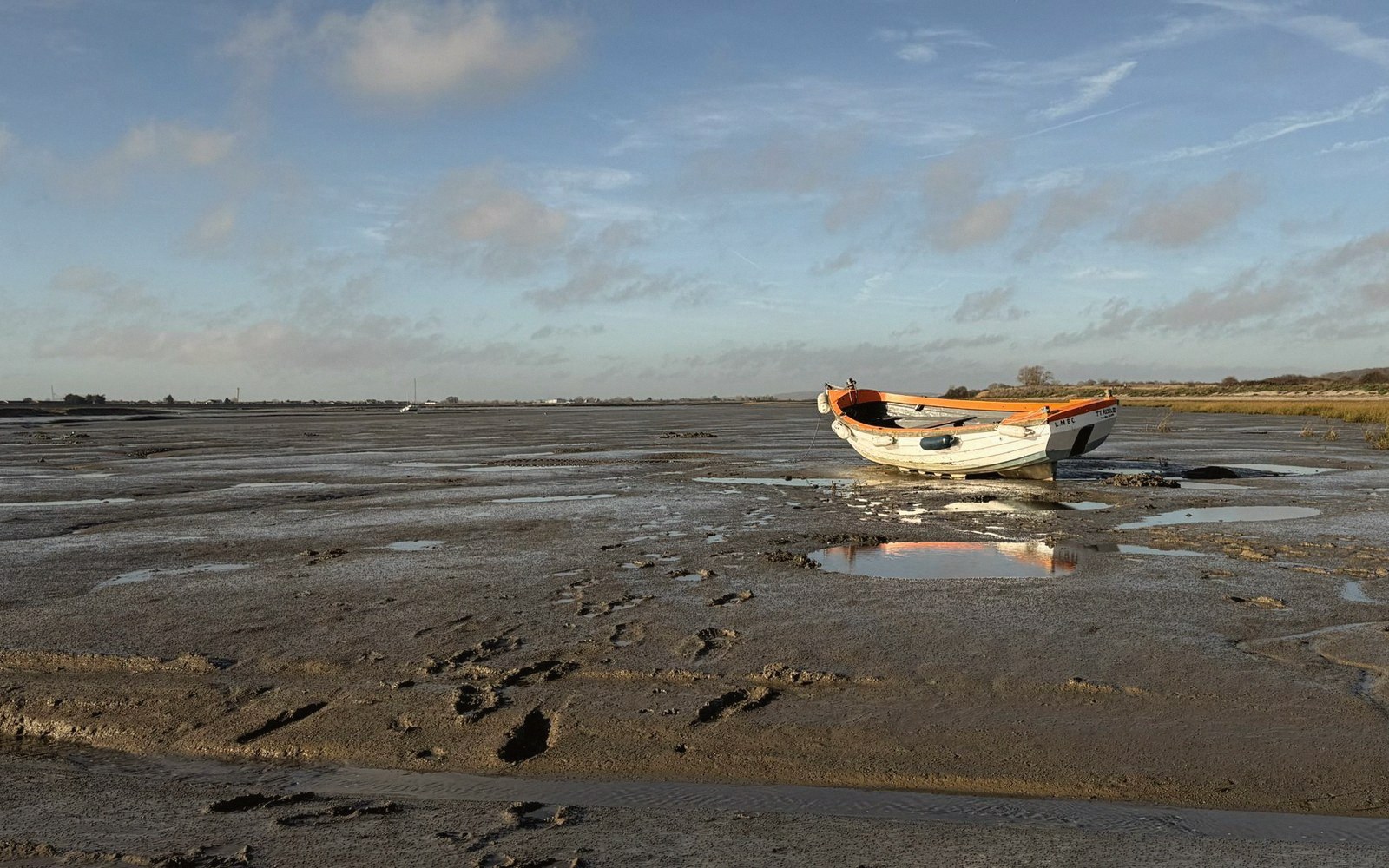
The tidal range here is among the most dramatic on the Channel coast — the sea pulls back enormous distances at low tide, leaving several kilometres of rippled sand and dark grey mud exposed to the sky. At high tide, the same landscape is submerged. Walking this intertidal zone without a guide at low tide is genuinely dangerous; the bay is known for the speed with which the tide returns and the way the channels shift. The guided estuary walks, which continue in the cold months, are worth joining not just for safety but because the person leading them typically knows where the seals are.
The Towns, Unguarded
Saint-Valery-sur-Somme is a better town than it looks in summer photographs. The upper town — a citadel quarter of brick and flint with rampart walks and a view across the whole southern shore — is quietly medieval in a way that is readable only when the streets are not full of people photographing each other. William the Conqueror assembled his fleet here in 1066, waiting on winds before the crossing. The history has not been theatricalised, which is unusual and welcome.
Le Crotoy, across the water on the north bank, is a fishing harbour with one of the few south-facing beaches on the north French coast — it catches afternoon light in a way that can, briefly, feel almost warm even in December. Jules Verne spent summers here; so did Toulouse-Lautrec. In winter, the town is so quiet you can hear the rigging on the boats from the main square. The restaurants that stay open do so without ceremony and tend to serve the mussel and sole that actually come from this water.
The Chemin de Fer de la Baie de Somme — the narrow-gauge steam railway looping between Le Crotoy, Noyelles-sur-Mer, and Saint-Valery — runs a reduced winter service. Check before you travel, because it is reduced enough that you can miss it. But the stretch it covers, across the flat agricultural land just inland from the estuary, gives a sense of how strange and particular this landscape is: not quite coast, not quite farmland, not quite anything else.
What the bay does3 entries
- Tidal rangeamong the largest on the Channel coast; the sea withdraws several kilometres at low tide, returning fast
- Intertidal zonedangerous to walk without a guide; guided estuary crossings run year-round
- Sealsgrey and common seals use central sandbanks year-round; boat trips run off-season
The Argument for Going in the Cold
The Parc du Marquenterre, a bird reserve on the north shore just above Le Crotoy, makes an outright argument for the winter visit. This is one of the significant wetland sites on the Atlantic flyway — the migratory corridor that runs down western Europe — and the numbers of birds passing through or wintering here in the cold months are substantially larger than in summer. Spoonbills, avocets, grey plovers, and large aggregations of waders work the mudflats while the hides are almost empty of people. Anyone with even mild interest in birds will find the cold-month Marquenterre quietly astonishing.
The seals — the grey seals and common seals that use the sandbanks in the middle of the bay — are present year-round. Boat trips to observe them run in the off-season, fewer of them and easier to board. The seals are indifferent to weather in a way that is almost editorial in its message.
There is something specifically useful about an out-of-season coastal landscape in northern France: it refuses comfort. The bay in November is not soft, not scenic in the way a travel brochure needs, not reassuring. The sky is grey, the light is flat and then suddenly sharp, the wind comes off the Channel without warning, the mud smells of iron and salt. And because none of that is curated or sold, it is entirely real. You are seeing an estuary, not a version of one produced for a season of visitors.
The drive down through the Channel ports that most travellers make without stopping is also, at this pace and in this light, genuinely different. The Baie de Somme sits close enough to Boulogne and Calais that it can be reached as a first stop after a Channel crossing — and it is a vastly more honest introduction to northern France than the autoroute service station normally provides.
Saint-Valery-sur-Somme is a better town than it looks in summer photographs.
When the reasons get stronger3 entries
- Marquenterre reservemajor wetland site on the Atlantic flyway; peak bird numbers in autumn and winter, not summer
- Saint-Valery upper towncitadel and ramparts; legible without summer crowds
- Le Crotoysouth-facing harbour beach; unusual on the north Channel coast; quieter restaurants serving local mussels and sole