The Empty Diagonal · Massif Central · upland
Why Nobody Goes to the Massif Central
The largest upland in France has no famous peak, no coast, and trains that seem designed to discourage arrival. That is precisely the point.
Filed at
2You will pass a car occasionally.
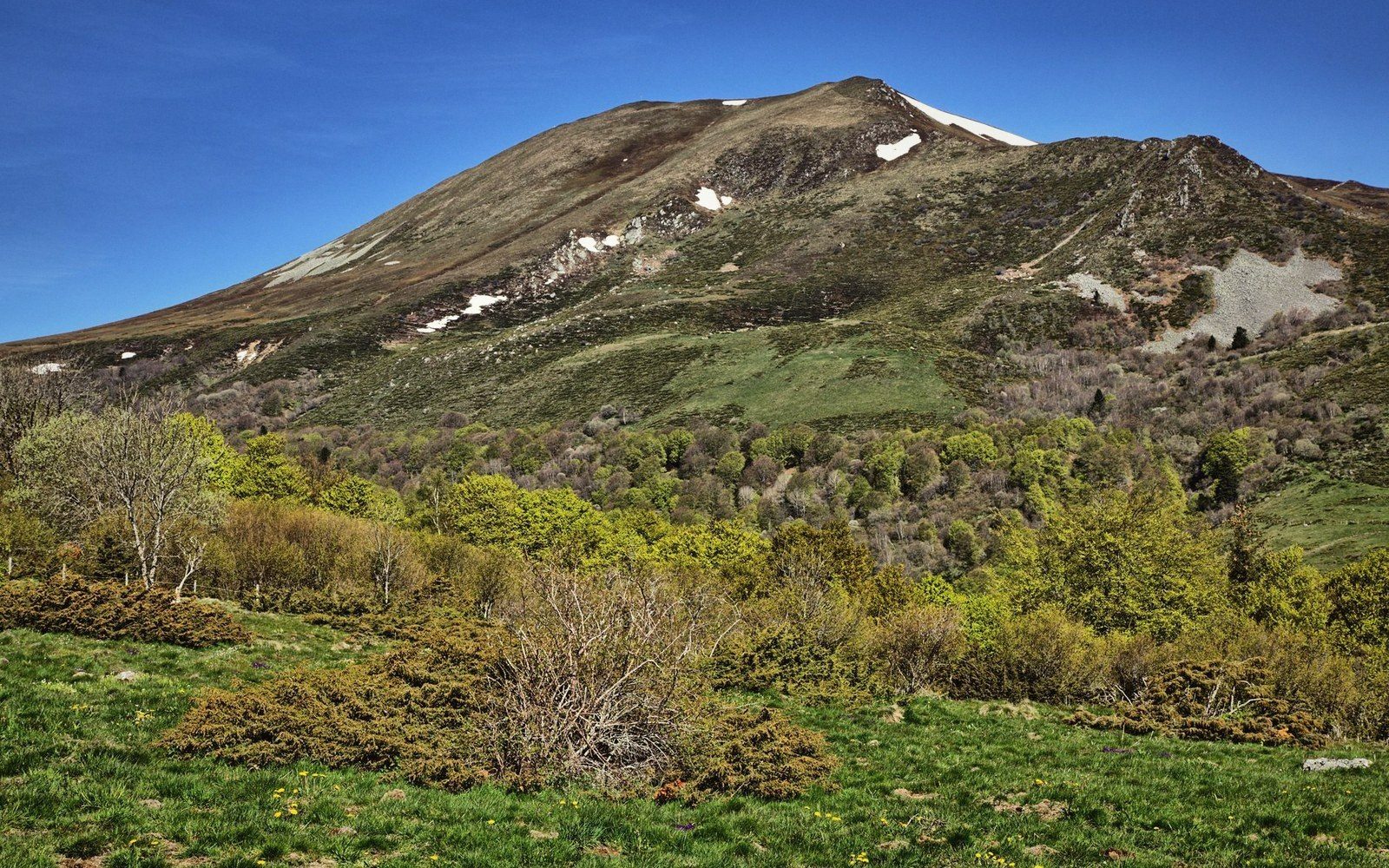
The largest upland in France has no famous peak, no coast, and trains that seem designed to discourage arrival. That is precisely the point.
The Reasons Are Real
The Massif Central is not neglected by accident. It covers roughly a sixth of France — a sprawling, elevated interior of volcanic plateaus, river gorges, and granite moorland — and it has been quietly draining population for over a century. The diagonale du vide, the documented band of low-density France running from the northeast to the southwest, cuts straight through it. The emptiness is structural, not seasonal.
Rail is part of the problem. Unlike the Alps, which funnel visitors efficiently into Grenoble, Annecy, or Chambéry, the Massif Central has no single gateway city with a credible high-speed connection. Clermont-Ferrand, the largest city on the plateau, sits roughly in the middle of France and remains — remarkably — without a TGV link. Journey times from Paris by train stay well above two hours and involve a detour via the classic intercités network. Travellers used to France's high-speed logic simply do not experience the place as reachable.
Then there is the A75 effect. The motorway descends from Clermont-Ferrand toward Montpellier and the Mediterranean, crossing the Millau Viaduct in one spectacular sweep. Millions of vehicles use this route each summer. Almost none of them stop. The viaduct is photographed from the designated belvedere, the tank is refilled, and the plateau continues unseen on both sides of the crash barrier. The Massif Central becomes, for most of those drivers, a thing crossed rather than entered.
And there is no single famous thing. The Alps have Mont Blanc. The Dordogne has its châteaux and its river. The Basque coast has Biarritz. The Massif Central has the Puy de Dôme, which is significant — a dormant volcano above Clermont with a Roman temple at its summit and a rack railway restored in the last decade — but it is not, by itself, a reason most visitors would reorganise a trip. The landscape works through accumulation rather than spectacle: the Aubrac plateau in its wind and light, the Gorges du Tarn cut improbably deep below the causses, the Cézallier moorland that looks like something farther north and colder. None of these quite makes the front cover.
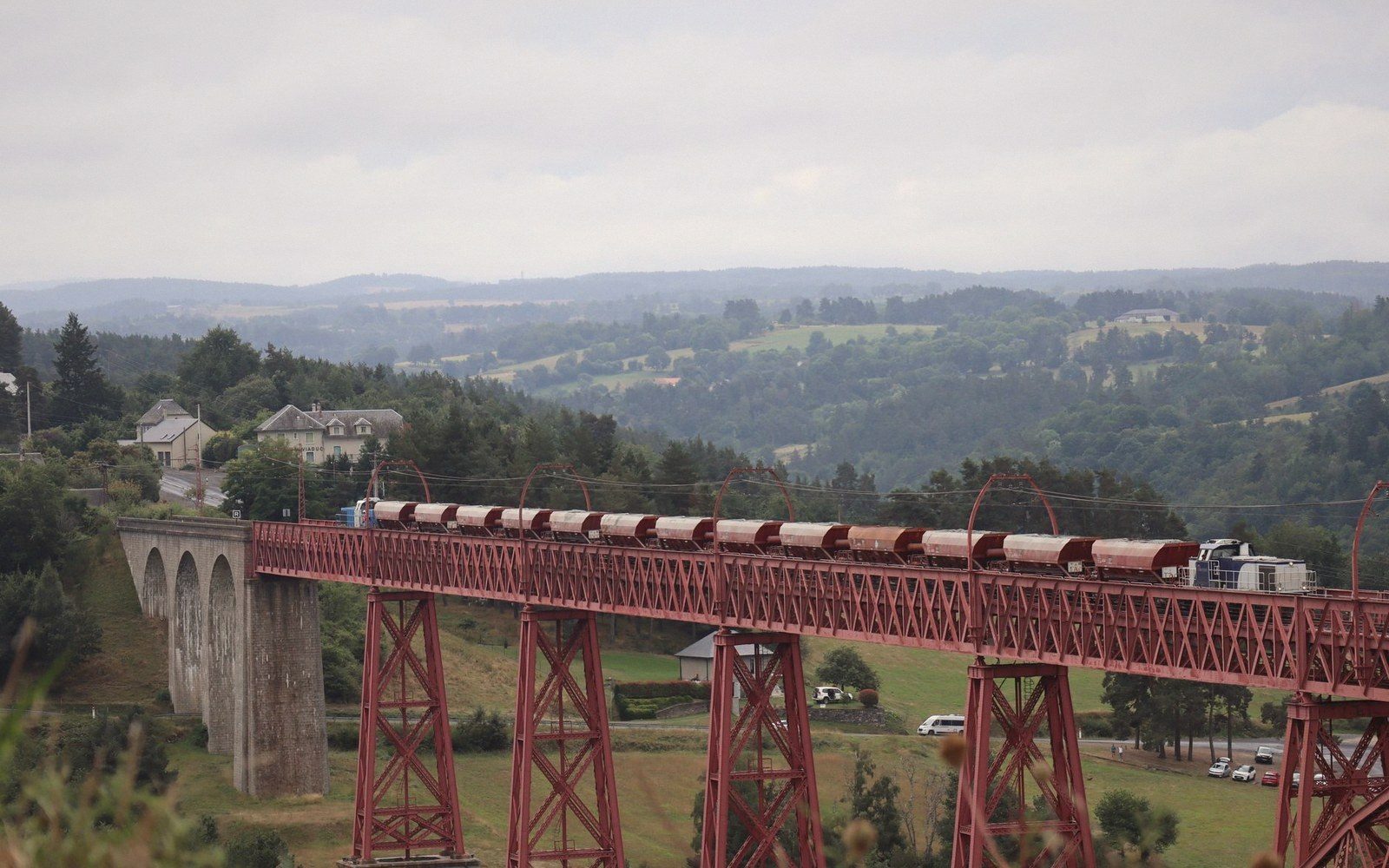
The Reasons to Go
The logic inverts. Every factor that keeps visitors away is also an argument for going.
The poor rail access means that the towns it reaches — Aurillac, Mende, Millau, Ambert — are functioning market towns without the performance layer that tourism installs over time. The cafés serve the people who live there. The covered market in Aurillac is not a destination; it is where people shop. This sounds like a small thing until you have spent a week in a region that has been thoroughly interpreted for outside consumption and you remember what the alternative feels like.
The absence of a famous thing means there is no queue. The Puy de Dôme on a clear morning in October has the Chaîne des Puys — a line of more than eighty volcanic cones, a UNESCO World Heritage landscape since 2018 — spread below it in entirely legible geological form. You can see what happened here. The landscape is not decorative; it is a record. And because no particular sub-peak or viewpoint has been designated the essential one, you are free to move through it at your own pace without a hierarchy of sights telling you what to see next.
The A75 cuts the Massif Central in two, and the half you cannot see from the motorway — the Margeride, the Aubrac, the upper Lot valley — is where the real character lives. Getting there requires the kind of departmental road travel that feels slow until it doesn't: a road through a village with a Romanesque church and a functioning bakery, then a long climb onto moorland, then a descent into a river valley that has no particular reason to be as beautiful as it is.
The Massif Central is not undiscovered in the sense of being unknown. The French who come here — walkers, cyclists, people who grew up nearby — know it well. It is undiscovered in the sense that it asks something of you before it gives anything back, and most itineraries are not built with that kind of patience. Bring some.
What this landscape actually is4 entries
- Chaîne des Puysa line of more than eighty dormant volcanic cones in the northern Massif Central; UNESCO World Heritage status granted 2018
- diagonale du videthe documented band of low-density France; the Massif Central sits at its centre
- causseshigh limestone plateaus in the southern Massif Central, cut through by deep river gorges
- Margeridea granite upland between the Auvergne and the Cévennes, one of the least-visited parts of an already quiet region
The French who come here — walkers, cyclists, people who grew up nearby — know it well.
The infrastructure problem in numbers2 entries
- Clermont-Ferrandthe plateau's largest city; no TGV connection; Paris journey times remain well above two hours on the intercités network
- A75 motorwaycrosses the full length of the Massif Central from Clermont-Ferrand to Montpellier, passing the Millau Viaduct; carries heavy summer transit traffic with minimal off-ramp tourism