Getting Around · Interior · road
The Nationale, Not the Autoroute
France's old trunk roads run through the middle of everything the motorway skips. Sometimes that is exactly the point.
Filed at
3A few people, no crowd.
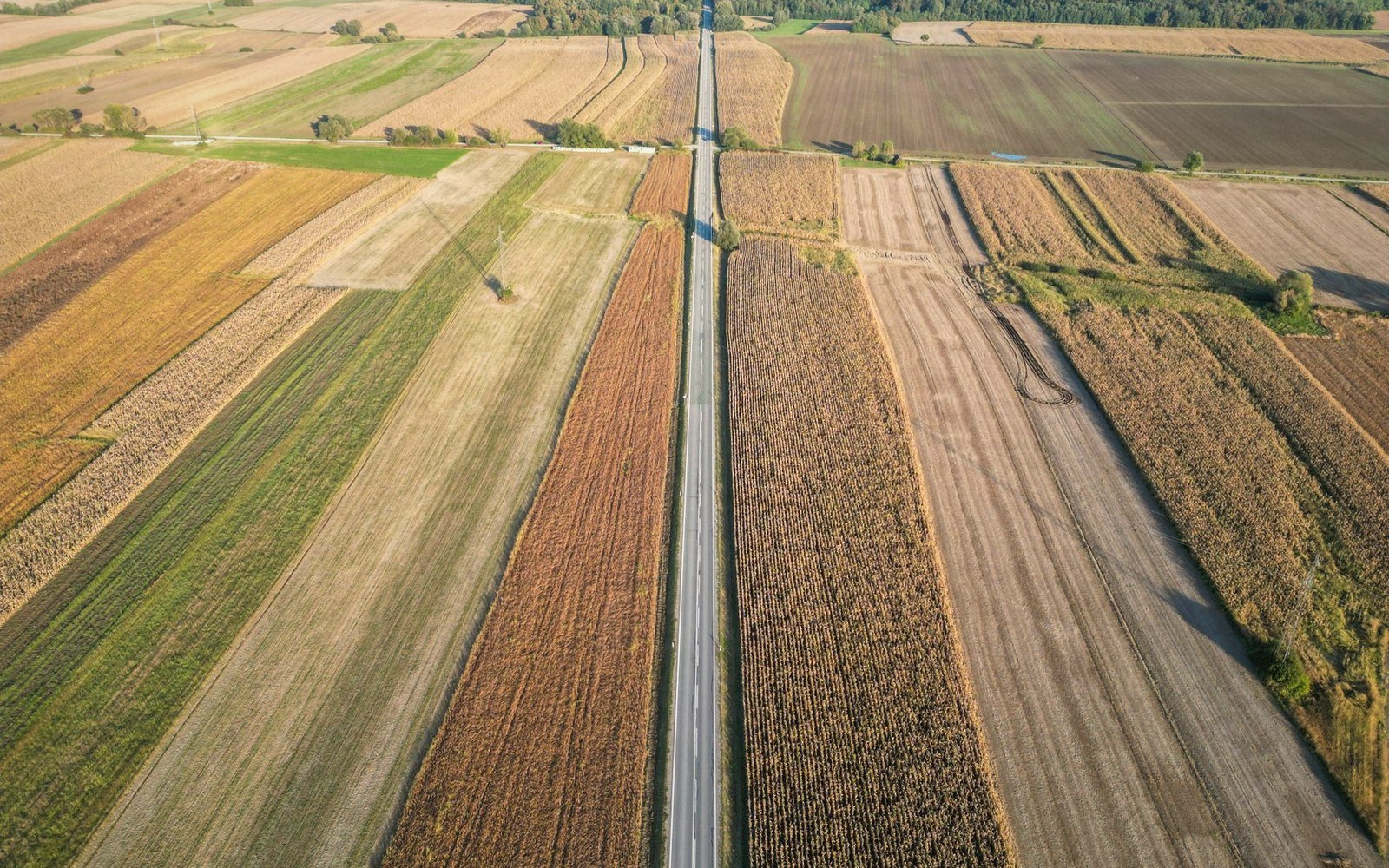
France's old trunk roads run through the middle of everything the motorway skips. Sometimes that is exactly the point.
The Road That Stays on the Ground
The Routes Nationales — France's pre-motorway arterial network, numbered with an N and largely built along Roman and royal post roads — are the skeleton of the country's interior. Where an autoroute lifts you over a river valley on a viaduct and deposits you sixty kilometres later at a péage (toll booth) having seen nothing, the nationale drops you through the valley floor, through the market town at its centre, and out the other side past the grain co-op and the war memorial.
That is not a romantic argument. It is a practical description of what happens.
For much of the Massif Central, the Auvergne, and the deeper Burgundian countryside, the nationale is not a slower alternative to the motorway — it is simply the road. The autoroute network follows the coasts, the Rhône corridor, and the routes between major cities. The diagonale du vide, the band of thinly populated interior running roughly from the Meuse to the Pyrenees, has almost no motorway at all. Drive it on nationals or drive it badly.
Even where a motorway exists nearby, the nationale repays the extra time in specific ways. You stop because you have to — a market occupying half the road, a level crossing, a slow tractor — and those enforced pauses are when you actually look. The villages are not scenic set-pieces arranged for tourism; they are working agricultural towns with a tabac, a pharmacy, and a bakery that closes at noon because everyone already bought bread. The motorway version of France does not contain these places.
The tradeoff becomes genuinely poor in two situations. First, on summer Saturdays in July and August, the nationales south of Lyon and through the Rhône valley carry extraordinary congestion — traffic that has left the autoroute to avoid tolls and has merely shifted the delay. Second, at night and in winter fog, a road that passes through a dozen roundabouts per hour demands attention that a motorway does not. The appeal is real; so is the tiredness it produces.
The honest rule is this: use the nationale when the middle of a place is the reason for the drive, and use the autoroute when the destination is. The two networks are not rivals. They describe different versions of France, and the version that takes longer is often the one worth knowing.
Where each road type earns its keep5 entries
- nationaleRoutes Nationales, the pre-motorway trunk road network; N-numbered; passes through town centres
- autoroutetoll motorway; A-numbered; bypasses most towns and nearly all of the interior
- péagetoll booth; the payment point on French motorways
- diagonale du vide'empty diagonal'; a documented band of low-population interior where motorway coverage is sparse or absent
- boucheriebutcher's shop; used here as a specific example of what slows, and occupies, a nationale in a small town
The autoroute network follows the coasts, the Rhône corridor, and the routes between major cities.