Getting Around · National · rail
TGV and the Regional Train: What Each One Actually Gives You
Two rail systems share French stations and the same app. They solve different problems, and only one of them gets you where you're going.
Filed at
5A working town going about its day.
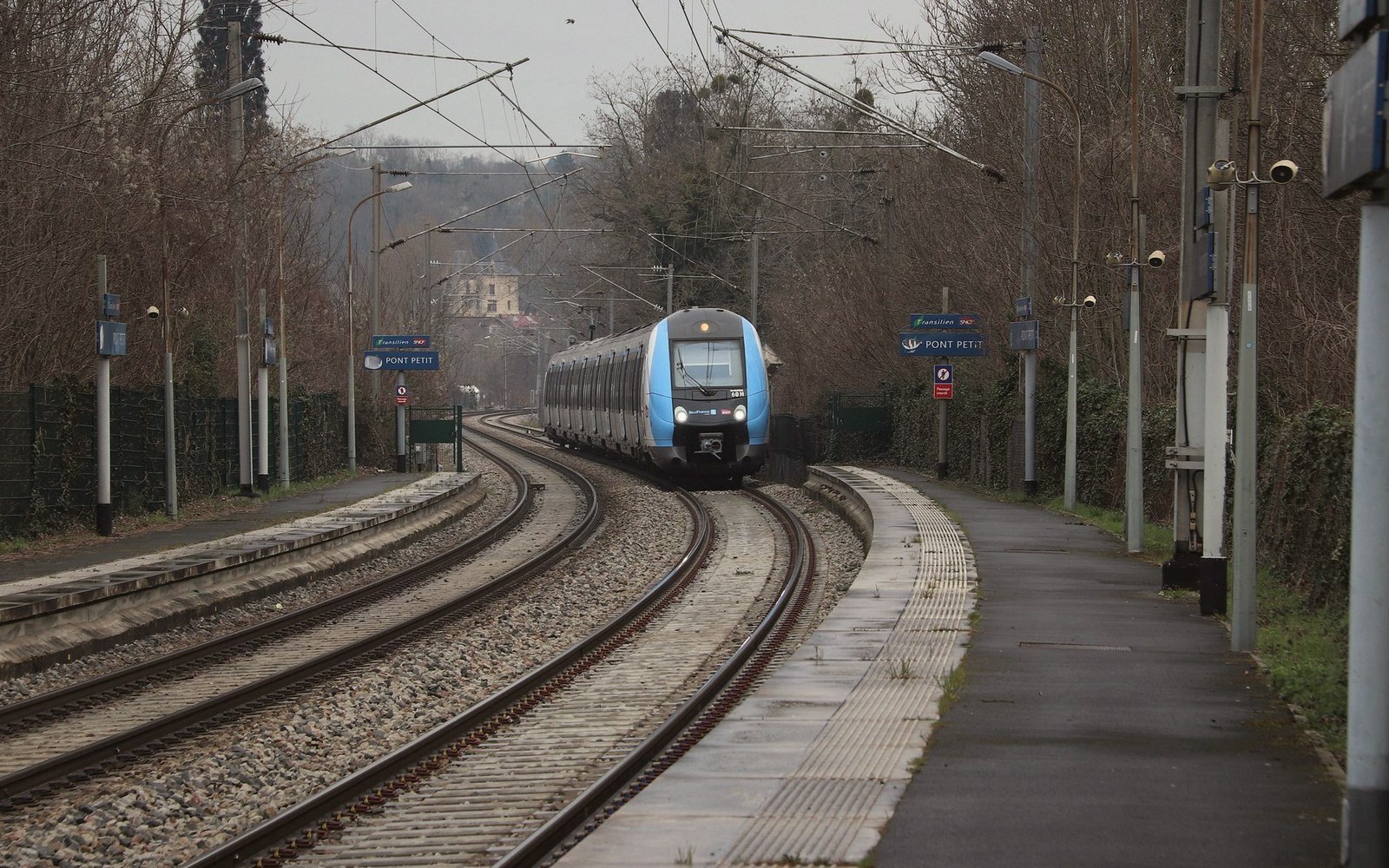
Two rail systems share French stations and the same app. They solve different problems, and only one of them gets you where you're going.
The network built for speed
The TGV — Train à Grande Vitesse, France's high-speed service — is genuinely impressive on the routes it was designed to serve. Paris to Lyon in under two hours. Marseille reachable from the capital before lunch. Bordeaux, Lille, Strasbourg, Nantes: the major nodes connect to each other at a speed and frequency that makes flying between them look cumbersome. On these corridors the TGV earns every superlative.
What it does not do is deviate. The lines run straight between economic centres, along purpose-built infrastructure that cost billions to lay and requires a certain volume of passengers to justify. The logic is radial, with Paris at the centre. Move between two provincial cities that don't share a direct LGV — ligne à grande vitesse, the dedicated high-speed track — and the journey often bounces back through the capital or takes longer than it looks on the map.
More to the point: the TGV stops nowhere interesting. The stations on the high-speed lines are frequently built on the edge of the city they serve, or detached from it entirely — Haute-Picardie, Champagne-Ardenne, Lorraine TGV are stations that exist primarily to justify a line, surrounded by fields. Getting off the TGV and into the interior of France is a separate project that the TGV itself does nothing to advance.
What the TER actually is
The TER — Transport Express Régional — is everything else. It is a patchwork of regional rail services, administered by the individual French regions and contracted largely to SNCF to operate. The rolling stock varies by region and by decade. The timetables are written around commuter peaks and market days rather than tourist logic. Some lines run twice a day. Some do not run on Sundays. A few don't run in August, when the people who use them are on holiday.
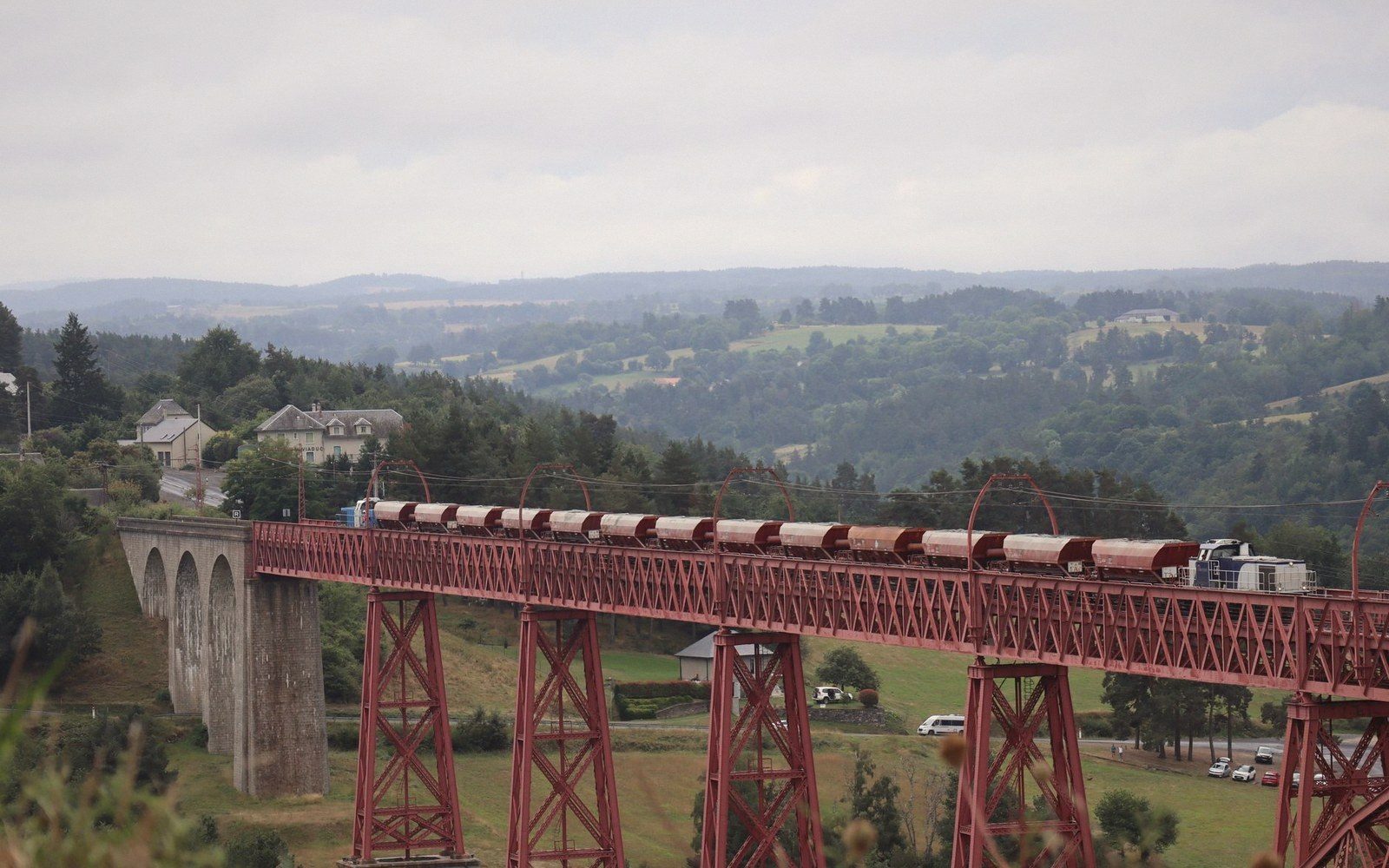
None of this is a reason to avoid the TER. It is a reason to understand what it is: a local service that connects the towns and villages the high-speed network skipped. The line through the Massif Central, the single-track route down into a river gorge, the slow train across a causse — these are TER trains. They take longer, cost less per kilometre, and require actual planning.
The planning is worth doing. The TER is often the only practical way into the places this guide is about, and it has the accidental advantage of running through the landscape at a speed where you can actually see it. A high-speed train crossing a plain shows you nothing; a TER climbing into the Auvergne shows you everything.
How the systems differ4 entries
- TGVTrain à Grande Vitesse; high-speed service on purpose-built track, connecting major city pairs
- LGVligne à grande vitesse; the dedicated high-speed infrastructure the TGV runs on
- TERTransport Express Régional; regional rail administered by French regions, contracted largely to SNCF
- Intercitéslong-distance non-TGV national trains, often serving cities the high-speed network bypassed
How the two systems meet
The practical reality for most journeys is a combination: TGV to the nearest significant city, then TER onward. Paris to Clermont-Ferrand is served by the Intercités rather than the TGV, which tells you something about how central France has been prioritised; from Clermont, TER lines spread into the surrounding volcanic uplands. Paris's six mainline termini each face a different slice of the country, and understanding which one your onward TER departs from saves real confusion.
The booking systems do not always make the connection obvious. SNCF's app shows everything on the same interface, but TGV and TER tickets are governed by different fare structures. High-speed tickets benefit from booking well ahead; TER fares are often flat and bookable the same day. Interchange times matter, particularly in cities where the two networks use different platforms or different stations entirely.
The deeper structural point is this: France built a world-class rail network for the France that generates economic traffic, and a functional but underfunded network for the France that doesn't. Both networks exist. The first one moves you between cities quickly. The second one moves you into France properly.
A high-speed train crossing a plain shows you nothing; a TER climbing into the Auvergne shows you everything.