Getting Around · Channel and Atlantic · sea
The Crossings: Channel and Atlantic
Where you land is where France begins — and the three sea approaches put you in different countries almost.
Filed at
5A working town going about its day.
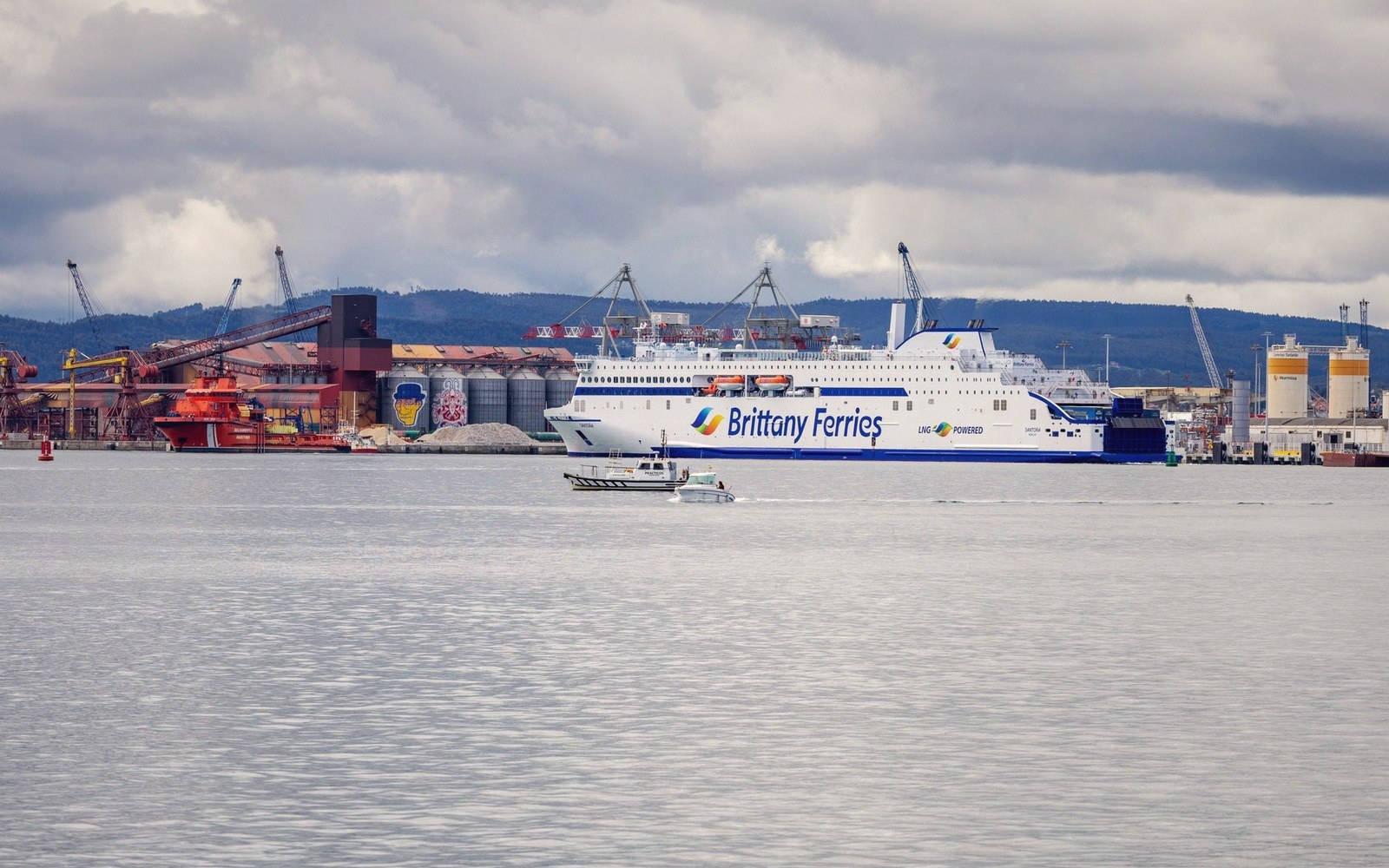
Where you land is where France begins — and the three sea approaches put you in different countries almost.
Which water you cross shapes the first two days
The Channel crossings deposit you on the northern plain. Dover–Calais or the Eurotunnel at Folkestone put you immediately into a landscape of wide sky and flat agricultural land, with Paris roughly three hours south and the rest of France behind it. Newhaven–Dieppe lands you slightly further west and removes one motorway interchange from the equation; the ports along this stretch are worth more than the transit treatment most drivers give them, but the geographical logic is the same — you are in the top-right corner of the country, and everything interesting is ahead of you and to the side.
Portsmouth to Caen or Cherbourg is a different proposition. You arrive in Normandy rather than the Pas-de-Calais, which means the autoroute south is longer but the immediate country around you is richer and more textured — bocage (the hedgerow-divided farmland of the Normandy interior), river valleys, a coastline that takes its time. It is the natural route for anyone heading to the Loire or the Atlantic coast below it.
The western ferries — Plymouth or Cork to Roscoff, and Poole or Portsmouth to Saint-Malo — put you in Brittany at the start. This changes everything. You are already at the far edge of the country, with the peninsula at your back and France opening east and south. Roscoff is a small Breton fishing port and the first hour of road from it is convincingly the end of something rather than the beginning. Saint-Malo has ramparts, a granite old town, and the kind of Monday morning light that makes you glad you came by sea. The Crozon peninsula and the deep Atlantic coastline are accessible before you have even pointed the car south.
What none of the crossings give you — but the Brittany routes come closest to — is a sense of arrival that matches the distance traveled. Channel passengers are in France but not yet far from England in any meaningful way; the northern plain is transitional by nature. The western Atlantic approaches have weather and salt air and a genuine foreignness from the first roundabout, even if the road signs are the same.
The Mediterranean option, the overnight ferry from Genoa or Barcelona to Toulon or Marseille, belongs to a different journey altogether — it assumes you are ending somewhere warm rather than beginning a circuit of the whole country.
Choose the crossing by where you want to wake up the first morning. The rest arranges itself.
The crossings at a glance6 entries
- Dover–Calais / Eurotunnelshortest sea distance; deposits you on the northern plain, Paris-facing
- Newhaven–Dieppeslightly western Channel option; same geographic logic as Calais
- Portsmouth–Caen / CherbourgNormandy arrival; richer immediate landscape, natural gateway to the Loire
- Portsmouth / Cork–RoscoffBrittany landfall; western edge, Atlantic character from the first mile
- Portsmouth / Poole–Saint-Malogranite port arrival; Brittany with more immediate town interest
- Genoa / Barcelona–Toulon or MarseilleMediterranean ferries; a different journey, not a starting circuit
Saint-Malo has ramparts, a granite old town, and the kind of Monday morning light that makes you glad you came by sea.